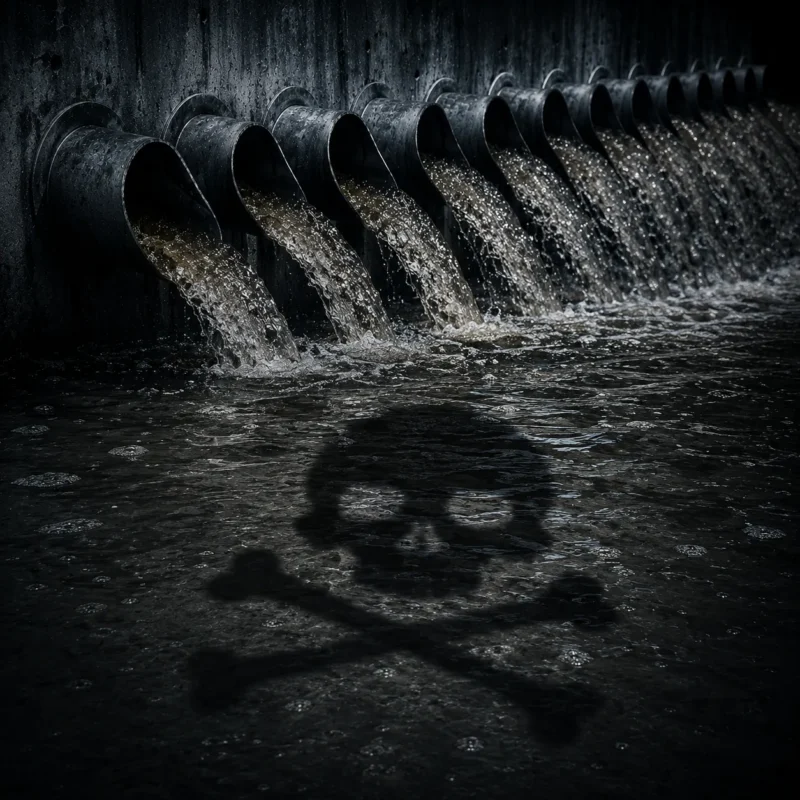
The film “Dark Waters”, starring Mark Ruffalo and Anne Hathaway as Robert and Sarah Bilott, brought the chilling reality of PFAS contamination to the big screen. Found in many everyday materials, including traditional ion-conductive membranes, poly- and perfluorinated substances (such as perfluorosulfonic acid) resist biodegradation and accumulate in the global water cycle. Their production often creates toxic by-products and their incineration releases hazardous substances. Overall, some PFAS and associated compounds show evidence of being teratogenic and endocrine disruptors.
It comes as no surprise that the regulatory landscape in Europe is shifting rapidly to combat this threat. Current EU policies move toward a comprehensive ban on hazardous perfluorinated materials, as strict environmental restrictions now demand sustainable alternatives.
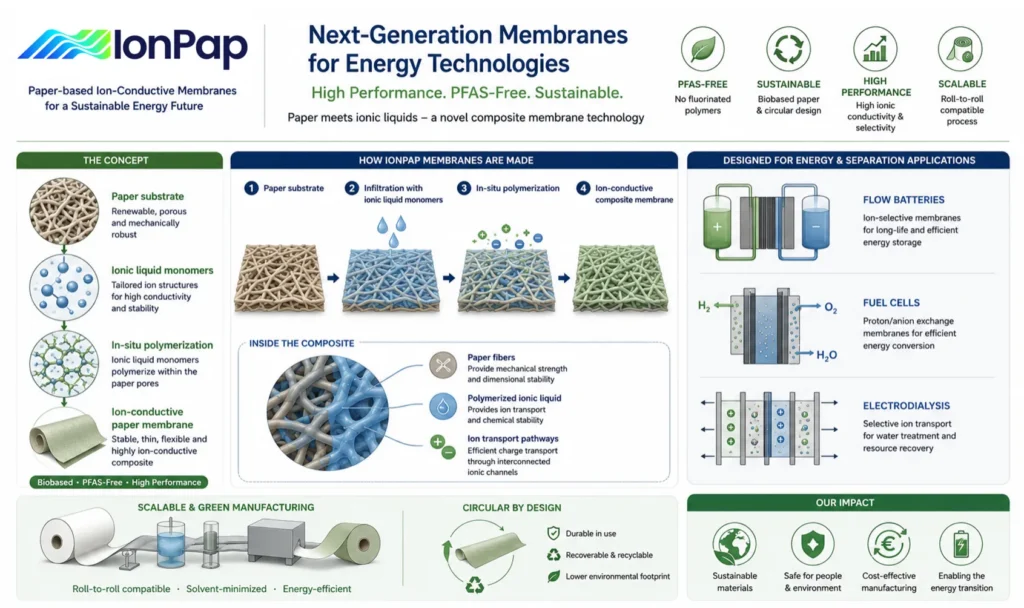
The IonPap project addresses the PFAS crisis and the present (and upcoming) EU regulations with a twofold strategy. First, the consortium produces high-performance membranes that contain zero fluorinated materials. This technology combines cellulose paper with poly(ionic liquids) to replicate the efficiency of traditional membranes. This complies with the principles of the “Safe and Sustainable by Design” framework.
The innovation extends even further. Beyond the creation of clean components, IonPap membranes can also be used for water remediation. One of the project’s key business frontiers focuses on the active removal of PFAS and other persistent pollutants from contaminated water sources. In short, IonPap aims to ensure that the “dark waters” of yesterday become the clear waters of tomorrow.